







The fairy-build crew have clocked back in. Lenny the Leprechaun’s on scaffolding duty, keeping one eye on the Double Wheel while three specialists get to work: Woody Elf (all things timber), Grout Bricky (brick by brick), and Fairy Mary (a touch of gold). Nail down frames, upgrade your materials, and watch those plots turn into picture-perfect homes once the workday wraps.
Popular Now

Brightstar Lottery Delivers Industry-Leading Sales Force Automation Solution to Ontario Lottery and Gaming Corporation

Bingo Halls and Casinos in Colombia Increased Their Contributions to Healthcare System by 9.3% in 2025

Brazil Generated Online Gaming Tax Revenue of $1.88 Billion in 2025

The fairy-build crew have clocked back in. Lenny the Leprechaun’s on scaffolding duty, keeping one eye on the Double Wheel while three specialists get to work: Woody Elf (all things timber), Grout Bricky (brick by brick), and Fairy Mary (a touch of gold). Nail down frames, upgrade your materials, and watch those plots turn into picture-perfect homes once the workday wraps.

Brazil Generated Online Gaming Tax Revenue of $1.88 Billion in 2025


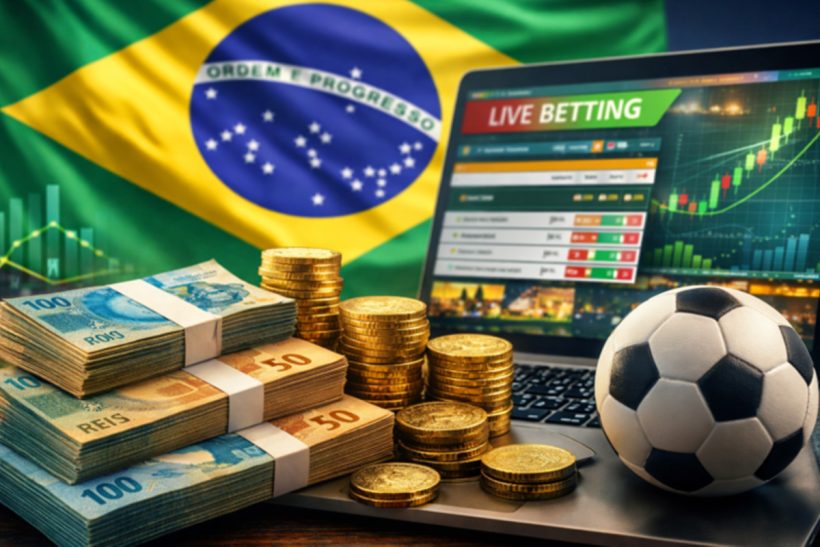
The first year of regulated online sports betting and gaming in Brazil generated tax revenue of BRL9.95bn ($1.88bn), the government has revealed.

The figure is a significant jump on 2024’s BRL91m ($17.2m), with the Brazilian Federal Revenue Service noting the rise is a “direct reflection of the sector’s regulation.”

The Brazilian Ministry of Finance and its dedicated sub-division for the gaming industry, the Secretariat of Prizes and Bets (SPA), have licensed and help set up a whole host of operators in the market, including local brands and global entrants.

The growth in tax revenue has been matched by a series of regulatory developments including the launch of Brazil’s online self-exclusion system.

Meanwhile, the government has looked to capitalise on the growing sector by introducing tax rises at the start of 2026 after previous attempts to do so fell through.

Taxes will go from 12% to 13% this year, to 14% in 2027 and then to 18% in 2028.

For trade associations such as the Brazilian Institute for Responsible Gaming, the priority now is on tackling the illegal market, which still accounts for a sizeable portion of Brazilian online gaming activity.



Previous Post

FanDuel Introduces “Play with a Plan”: A Research-Based Approach to Responsible Gaming

Next Post

Bingo Halls and Casinos in Colombia Increased Their Contributions to Healthcare System by 9.3% in 2025