





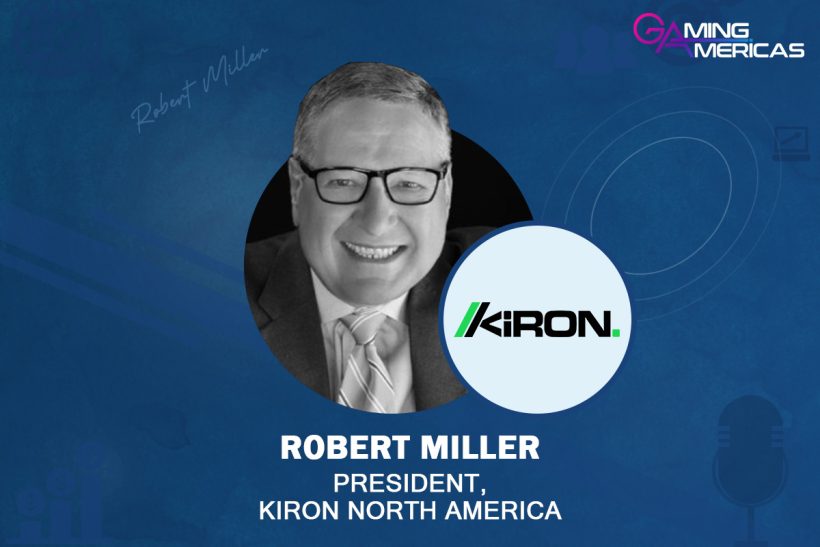

Check out our latest Q&A w/ Robert Miller, President, Kiron North America.
Everyone is talking about the opportunity presented to the North American market by the World Cup. Just how big an opportunity do you believe it is? And what is the size of this opportunity for virtual sports?
For live sports betting, the World Cup is one of the biggest opportunities available. It drives significant betting volume, attracts new customers and creates moments of engagement that few sporting events can match. For virtual sports, the opportunity is different. The World Cup can help introduce new players to a broader betting ecosystem, but virtual sports are not dependent on major tournaments to succeed. Their real strength is providing consistent engagement throughout the year. While the tournament creates a short term surge in activity, the long term opportunity lies in offering customers engaging experiences every day, not just during major events.
Events like the World Cup present a huge demand for content from operators. How can virtual sports help operators in North America during these times?
Live matches will always be the centrepiece of the World Cup experience and rightly so. However, operators also need ways to keep customers engaged between matches and throughout the wider tournament journey. Virtual sports complement live betting by providing continuous entertainment and additional touchpoints when there is no live action available. The greatest value comes when virtuals are integrated into a broader engagement strategy that keeps players connected to the platform before, during and after major sporting events.
The North American market has been maturing significantly in the last few years, does a tournament as big as the World Cup showcase the strength of the market? Or highlight the flaws in its set-up?
It does both. The strength of the market is clear in the scale of customer participation and the growing appetite for sports betting experiences. Major tournaments demonstrate just how much demand exists. At the same time, they highlight one of the industry’s biggest challenges: retention. Many operators are highly successful at attracting customers during major events, but maintaining engagement afterwards remains a key focus. Long term success will come from building experiences that keep players engaged throughout the year, not just during peak sporting moments.
North American sports fans have a very different relationship with football compared to European or Latin American audiences. How does that affect the way virtual football products need to be positioned or presented in this market?
Product positioning needs to reflect the realities of the local audience. Football continues to grow in North America, but it does not yet have the same cultural position it enjoys in many other regions. For that reason, virtual football products should focus on accessibility, entertainment and ease of engagement. Players respond to experiences that are intuitive, fast paced and easy to understand. The emphasis should be on delivering continuous action and a compelling user experience rather than relying solely on familiarity with the sport itself.
The World Cup has a jam-packed schedule and the North American sports calendar is one of the most packed in the world. With so much live content available, how do you make the case for virtual sports to operators who believe they already have enough sports action to offer?
The conversation is not about choosing between live sports and virtual sports. The most effective operators recognise that the two can work together. Live sports naturally create periods of inactivity between events, while different player segments engage with content in different ways. Virtual sports fill those gaps and create additional opportunities for interaction. When positioned correctly, they enhance the overall entertainment offering rather than compete with live sports.
When the World Cup has finished, what is the lasting impact on virtual sports in North America and how do providers ensure they do not lose any momentum they have gained?
The lasting impact comes from what operators do with the attention generated during the tournament. Major sporting events create opportunities to introduce new customers to products and experiences they may not have explored previously. Maintaining momentum requires strong operational integration, seamless customer journeys and products that continue to deliver value long after the tournament ends. Providers that focus on year round engagement rather than short term spikes will be best positioned to benefit.