







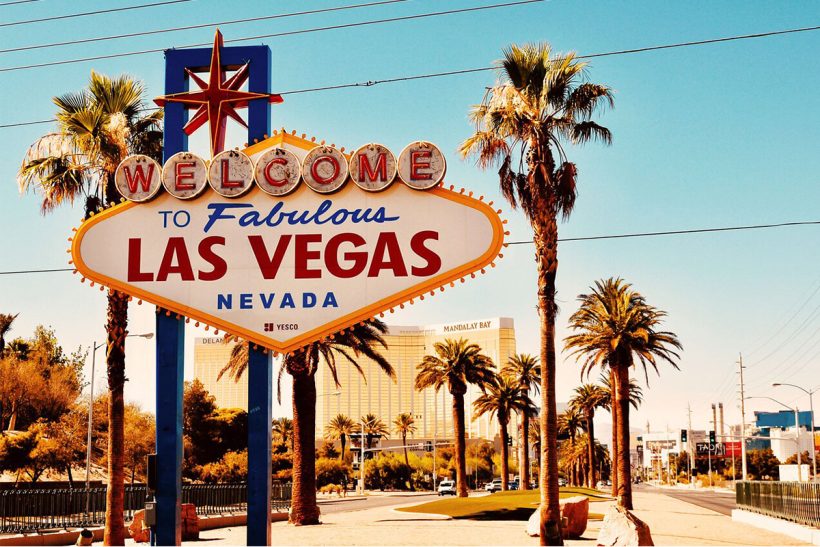

A new research has revealed the stark reality behind a notable downturn in tourism to the renowned resort city, Las Vegas, with the number of visitors falling sharply compared to previous years.
The study, conducted by leading casino and sports betting community OLBG, shows that Vegas has seen a drop off of around 264,248 tourists on average per month – a decline of approximately 7.6%. It means over a quarter of a million fewer people are heading to the city each month marking one of the most significant slowdowns outside of pandemic years.
Post-Covid recovery stalling
Despite a steady period after the 2020 lockdown, Las Vegas saw consistent growth up until 2024. Recent OLBG data however shows a clear reversal with average monthly visitors falling from 3.47million to 3.21million. The city is now facing renewed pressure to maintain its global appeal.
The drop in tourism is reflected across key hotel metrics. Average room occupancy has declined to 80.4%, down from 84.4% the previous year – the lowest level in four years.
At the same time, the average daily room rate has fallen by nearly 10%, indicating that hotels are reducing prices to attract visitors. Revenue per available room has also dropped by 13% year-on-year, reaching its lowest level in over nine years outside of the pandemic.
Gaming revenue shows some resilience
Gaming revenue has seen a modest increase of 3.8% year-on-year, reaching a monthly average of $1.11 billion (inflation-adjusted). However, this follows a decline the previous year and remains below earlier peak levels.
While the sector is holding relatively steady, it is not enough to offset the wider decline in tourism and hospitality performance.
The data also reflects broader changes in consumer behaviour. The continued growth of online gambling, combined with more value-driven travel decisions, is reshaping the global gambling landscape.
Shift toward lower-cost destinations
Rising travel costs and changing consumer priorities appear to be driving a shift toward more affordable gambling destinations. Travellers are increasingly seeking locations that offer similar entertainment experiences at a lower overall cost.
Destinations such as Atlantic City and Biloxi in the US, alongside European cities like Prague and Budapest, are gaining traction due to cheaper accommodation, lower travel costs, and competitive casino offerings. International resort destinations, including Sun City in South Africa, are also emerging as cost-effective alternatives.
This growing competition is putting pressure on Las Vegas, particularly among price-sensitive travellers.
An OLBG spokesperson said: “Las Vegas has been the benchmark for global gambling tourism, but latest figures suggest its dominance is being tested. Continued rising costs in terms of travel and accommodation, plus spending in the city, means many players are more selective on destinations.
“Destinations that offer similar casino experiences but at lower prices are becoming more popular – whether that’s still in the US in Atlantic City and Biloxi or across Europe in cities such as Prague and Budapest. Value is becoming the key driver for tourists’ decision-making.
“However, continued growth of online gambling is giving players more flexibility than they’ve ever had. In some cases, this reduces the need to travel altogether whilst others choose short, cost-effective trips with digital play.
“Sin City isn’t going anywhere, though. It remains a world class destination but it’s operating in a much more competitive global market compared to previous years.”